
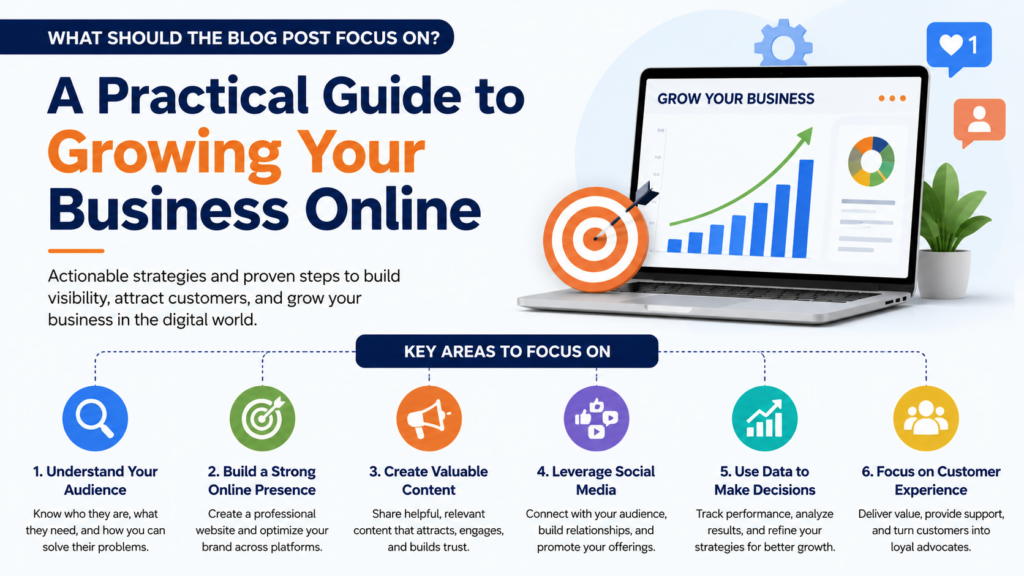
If you run a website today, digital marketing isn’t optional it’s the primary way customers find you, trust you, and buy from you. Whether you’re a small business owner, a freelancer, or managing marketing for a growing brand, understanding the core pillars of digital marketing can help you reach the right audience and turn visitors into loyal customers.
This guide breaks down the essential components of a strong digital marketing strategy, with practical tips you can start applying today.
What Is Digital Marketing?
Digital marketing refers to any marketing effort that uses the internet or electronic devices to connect with current and prospective customers. Unlike traditional marketing (TV, print, billboards), digital marketing allows you to track results in real time, target specific audiences, and adjust your strategy on the fly.
The main channels include:
- Search Engine Optimization (SEO)
- Content Marketing
- Social Media Marketing
- Email Marketing
- Pay-Per-Click (PPC) Advertising
- Affiliate and Influencer Marketing
Let’s look at each one and how they work together.
1. Search Engine Optimization (SEO)
SEO is the process of optimizing your website so it ranks higher in search engine results, driving free (organic) traffic. Good SEO rests on three pillars:
On-page SEO Optimizing individual pages with relevant keywords, clear headings, descriptive meta titles and descriptions, internal links, and fast-loading images.
Technical SEO —Making sure your site is crawlable and indexable: fast load speeds, mobilefriendliness, secure HTTPS, clean URL structures, and an updated sitemap.
Off-page SEO Building your site’s authority through backlinks from reputable websites, brand mentions, and social signals.
Quick tip: Focus on search intent, not just keywords. Ask what a visitor actually wants when they type a query, and make sure your content answers that question clearly and completely.
2. Content Marketing
Content is the fuel behind SEO and audience trust. Blog posts, videos, infographics, case studies, and guides all help establish your expertise and give search engines more reasons to rank you.
A few principles for effective content:
- Write for humans first, search engines second
- Answer specific questions your audience is searching for
- Update older content regularly to keep it accurate and relevant
- Use a consistent publishing schedule rather than sporadic bursts
3. Social Media Marketing
Social platforms help you build brand awareness, engage directly with your audience, and drive traffic back to your website. Each platform serves a different purpose LinkedIn for B2B authority, Instagram and TikTok for visual storytelling, and X (Twitter) for real-time engagement.
The key isn’t being everywhere it’s being consistent and intentional on the platforms where your actual audience spends time.
4. Email Marketing
Despite being one of the oldest digital channels, email marketing remains one of the highest-ROI strategies available. It lets you nurture leads, promote new content or products, and build a direct relationship with your audience one that isn’t dependent on a search algorithm or social platform.
Best practices include segmenting your list, personalizing subject lines, and testing send times to improve open rates.
5. Paid Advertising (PPC)
While SEO builds longterm organic traffic, PPC (Google Ads, social media ads) delivers immediate visibility. It’s especially useful for:
- Promoting timesensitive offers
- Testing which keywords or messages convert best
- Filling gaps while your organic SEO strategy builds momentum
How These Channels Work Together
The most effective digital marketing strategies don’t rely on a single channel — they integrate all of them. For example:
- A blog post (content marketing) targets a keyword your audience searches for (SEO)
- The post is shared on social media to drive initial traffic
- Visitors sign up for your newsletter (email marketing)
- You retarget those visitors with a paid ad (PPC) when they’re ready to buy
This kind of full-funnel approach compounds your results over time — each channel reinforces the others.
Measuring Success
Digital marketing is only as good as the data behind it. Track metrics like:
- Organic traffic and keyword rankings
- Bounce rate and time on page
- Conversion rate
- Email open and click-through rates
- Cost per acquisition (for paid campaigns)
Tools like Google Analytics, Google Search Console, and various SEO platforms can help you monitor performance and refine your strategy over time.
Final Thoughts
Digital marketing isn’t a one-time project it’s an ongoing process of testing, learning, and improving. Start with a strong SEO foundation, build content that genuinely helps your audience, and layer in social, email, and paid strategies as you grow. Consistency, patience, and a willingness to adapt to algorithm and audience changes will set you apart in the long run.
Looking to improve your website’s SEO? Start by auditing your current content for keyword relevance, checking your site speed, and ensuring every page has a clear, unique meta description.